

How to Choose the Right Fabric Weight for Curtains and Drapery
The single most common mistake people make when buying curtain fabric is choosing based on colour and pattern alone — then wondering why their curtains look wrong once they're hung. The culprit is almost always fabric weight.
Get the weight right, and even a simple, affordable fabric will hang beautifully and transform a room. Get it wrong, and the most expensive fabric in the world will look flat, stiff, or shapeless at your windows.
This guide walks you through exactly how to match fabric weight to your curtain style, room, and practical needs — with specific fabric recommendations for every scenario.
What Is Fabric Weight, and Why Does It Matter for Curtains?
Fabric weight refers to how heavy a fabric is, usually measured in grams per square metre (GSM). For curtains and drapery, weight directly affects three things:
- Drape — how the fabric falls and folds. Heavier fabrics create deep, dramatic folds. Lighter fabrics create soft, casual ripples.
- Light filtration — how much natural light passes through. Lighter fabrics diffuse light. Heavier fabrics block it.
- Structure — whether the curtain holds its shape or collapses.
Video: The ultimate guide to choosing the best fabric for your curtains — fabrics, weights, and what to consider by room
The Three Weight Categories for Drapery Fabric
Lightweight Fabrics (Under 150 GSM)
Best for: Sheer curtains, café curtains, bedroom voiles, layered looks
Lightweight drapery fabrics — voile, chiffon, linen sheers, and fine cotton — are designed to diffuse light rather than block it.
Lightweight sheer fabrics create an airy, diffused light effect — ideal for layering
Medium-Weight Fabrics (150–300 GSM)
Best for: Most residential drapery projects — living rooms, bedrooms, dining rooms
Medium-weight fabrics are the workhorse of the drapery world. Our MIRANO Sage Green Hexagon Embroidery Linen is a perfect example.
Heavyweight Fabrics (Over 300 GSM)
Best for: Formal drapery, blackout requirements, thermal insulation, statement rooms
Heavyweight fabrics — velvets, chenilles, brocades, and heavy jacquards — create the most dramatic, structured curtains. Explore our velvet collection.
Choosing Fabric Weight by Heading Style
| Heading Style | Best Weight | Why |
|---|---|---|
| Pinch pleat | Medium–Heavy | Needs structure to hold the pleat shape |
| Eyelet / grommet | Light–Medium | Fabric slides along the pole — heavy fabrics jam |
| Ripple fold | Light–Medium | The wave requires a fluid, flowing fabric |
| Pencil pleat | Medium–Heavy | Dense gather needs weight to hang correctly |
| Rod pocket | Light–Medium | Slides onto rod — too heavy is difficult to hang |
Choosing Fabric Weight by Room
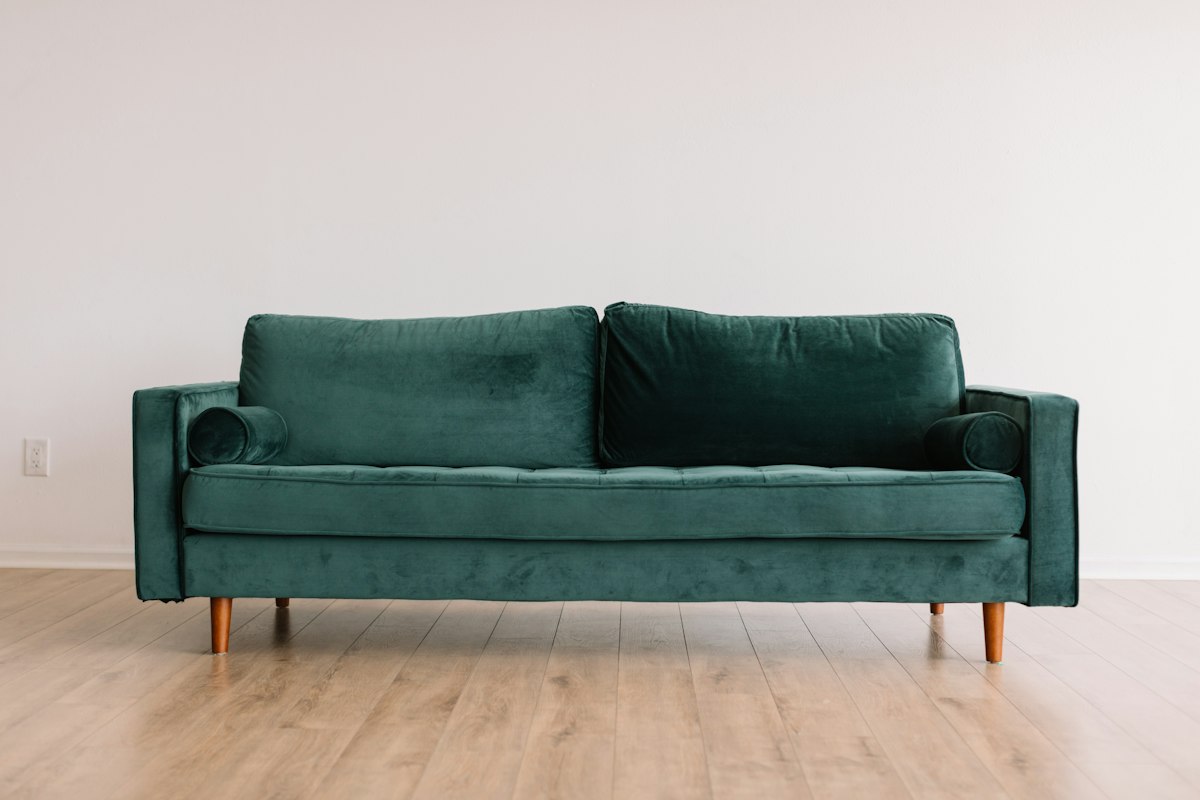
Floor-length curtains in a living room benefit from medium to heavyweight fabrics for a polished, structured look
- Living room: Medium to heavyweight. A medium-weight jacquard or linen blend. Velvet for high drama.
- Bedroom: Light to medium. Layer a sheer for daytime with a medium-weight or blackout lining behind it.
- Kitchen: Lightweight only. Easy to wash and won't trap cooking smells.
- Media room: Heavyweight. A dense velvet eliminates glare on screens.
Shop Drapery Fabrics at Classic Modern Fabrics
Browse lightweight sheers, medium-weight embroidery linens, or dramatic heavyweight velvets — every weight range for every room.
Browse Drapery Fabrics Cotton & Linen Velvet & Chenille
Laissez un commentaire