

Linen vs Polyester Drapery Fabric: Which Lasts Longer?
If you've spent any time shopping for curtain fabric, you've almost certainly faced this choice: the natural warmth and texture of linen, or the durability and practicality of polyester. Both are popular. Both have real strengths. And depending on your room, your household, and your priorities, the right answer is genuinely different for different people.
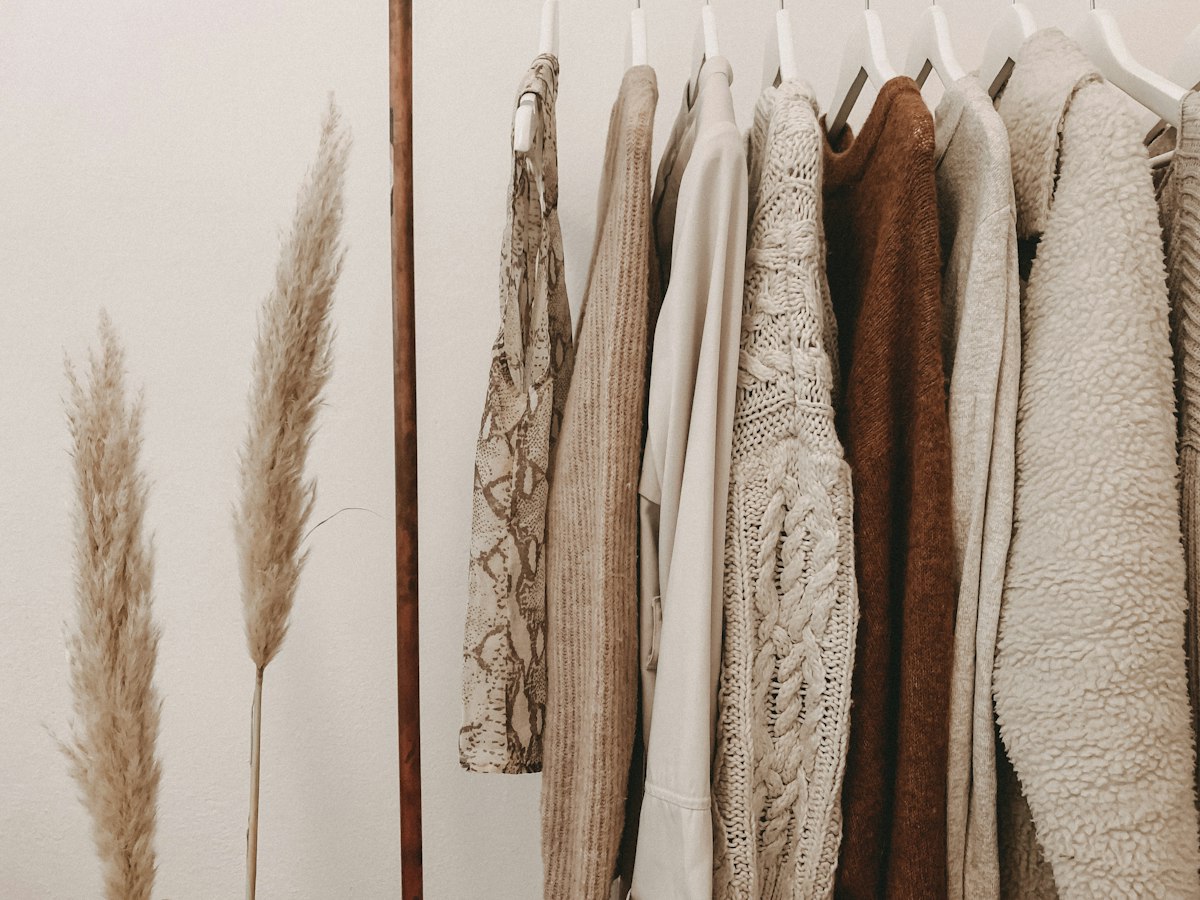
Linen's natural slub texture gives it warmth and character that polyester can't fully replicate
The Short Answer
Choose linen if: You prioritise natural texture, a relaxed elegant aesthetic, breathability, and sustainability.
Choose polyester if: You prioritise durability, consistent colour, low maintenance, and fade resistance.
Choose a linen-polyester blend if: You want the best of both worlds — and you almost certainly do.
Linen Drapery Fabric: The Full Picture
- Natural texture: The slight irregularity in linen's weave gives it depth and character that reads as instantly premium.
- Breathability: Linen creates a warm, golden light diffusion in rooms with good sunlight.
- Drape: Pure linen has a natural weight that makes it hang beautifully without lining.
- Sustainability: Flax requires minimal water and pesticides.
- Lifespan: 10–20 years with good care.
- Limitations: Wrinkles easily, can fade with sustained UV, may shrink if not dry-cleaned, costs 30–60% more per yard than polyester.
Polyester Drapery Fabric: The Full Picture
- Dimensional stability: Doesn't shrink, stretch, or change shape with humidity.
- Colour fastness: Highly resistant to UV fading.
- Low maintenance: Most grades can be machine washed on gentle.
- Wrinkle resistance: Resists creasing, particularly blended versions.
- Cost: Typically 30–60% less per yard than equivalent natural-fibre fabrics.
- Lifespan: 10–15 years with good care.
Head-to-Head Comparison
| Factor | Linen | Polyester | Linen-Poly Blend |
|---|---|---|---|
| Durability | Good | Excellent | Very Good |
| UV Fade Resistance | Fair | Excellent | Good–Very Good |
| Drape Quality | Excellent | Good | Excellent |
| Wrinkle Resistance | Poor | Good–Excellent | Good |
| Care Ease | Moderate | Easy | Easy–Moderate |
| Cost Per Yard | Higher | Lower | Mid-range |
| Lifespan | 10–20 years | 10–15 years | 12–18 years |
Why Linen-Polyester Blends Are the Professional's Choice
Most experienced workroom professionals and interior designers reach for linen-polyester blends for good reason. Our MIRANO and SORELLO embroidery linen fabrics are both linen-viscose-polyester blends (20% linen, 45% viscose, 35% polyester). This combination gives them the beautiful natural drape of linen, with the stability and longevity that makes them suitable for drapery projects that need to last.
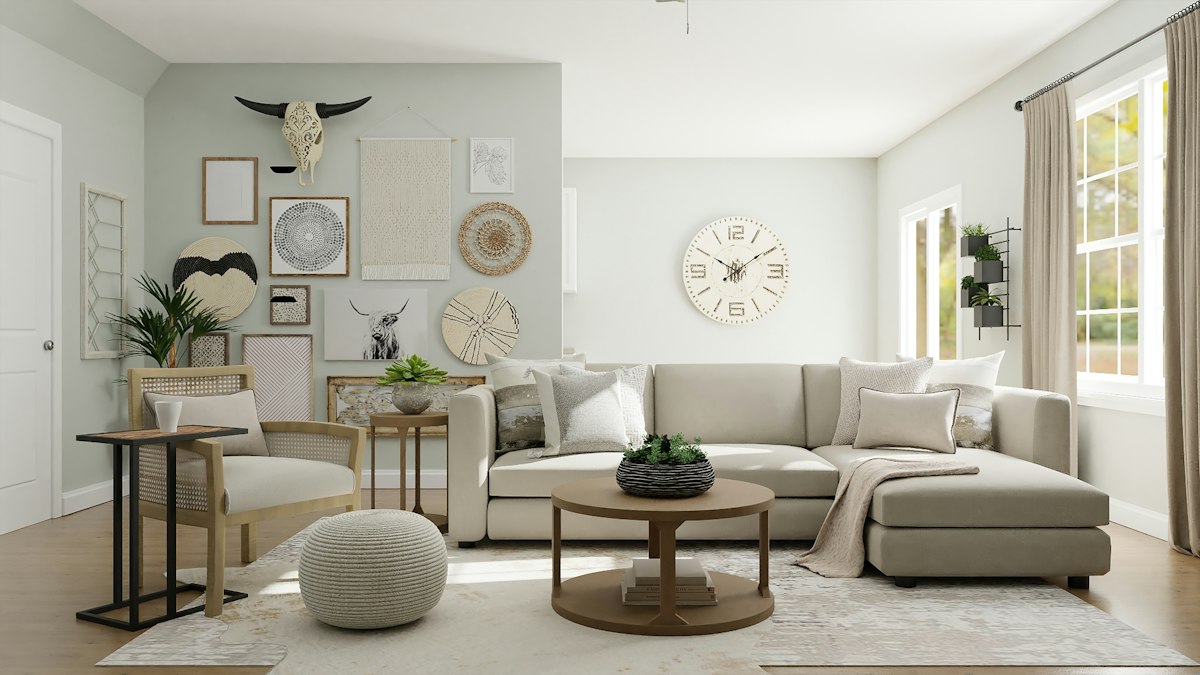
Linen-blend drapery in a bedroom — the ideal combination of natural warmth and practical durability
Room-by-Room Guide
- Living room: Linen-polyester blend. Visual warmth with enough durability for daily use.
- Bedroom: Either works. The blend wins on practicality; pure linen creates a beautiful atmosphere.
- Kitchen: Polyester. Easy wash, grease-resistant, quick-dry.
- Children's rooms: Polyester. Easy wash, colour-fast, durable.
- South-facing windows: Polyester or lined linen. Unlined pure linen will fade with sustained UV.
- Formal dining rooms: Linen or linen-blend for the texture and elegance.
Shop Our Drapery Fabric Collection
Browse pure linen, linen-blend, faux silk, and polyester drapery fabrics — all available by the yard.
Cotton & Linen MIRANO Linen Blend Faux Silk
Leave a comment